National University of Singapore Press
Early Southeast Asia
From First Humans to First Civilizations
9789813252936
Distributed for National University of Singapore Press
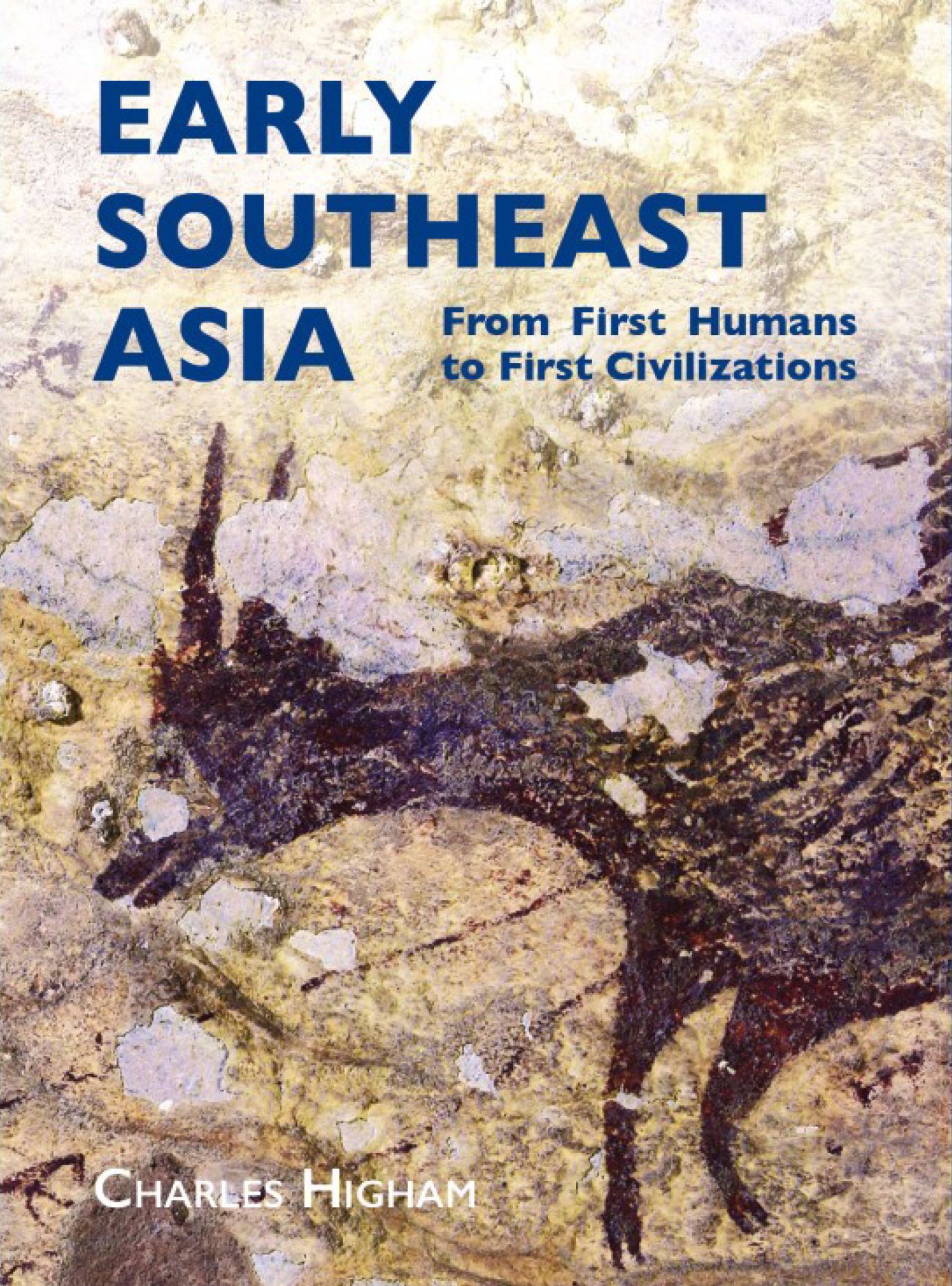
Early Southeast Asia
From First Humans to First Civilizations
An essential introduction to Southeast Asia’s ancient history.
For over two million years, Southeast Asia has been a crossroads of human migration and cultural innovation. In this newly updated edition of Early Southeast Asia, archaeologist Charles Higham presents a sweeping narrative of discovery, from the earliest human arrivals to the rise of complex societies. Recent breakthroughs in DNA analysis have reshaped our understanding of the region’s past, revealing that early modern humans not only coexisted but interbred with multiple archaic species. New archaeological techniques have illuminated the spread of rice agriculture from the Yangtze River and the development of vast urban networks hidden beneath dense jungle canopies.
Higham vividly reconstructs the birth of the region’s first civilizations, following the impact of climate shifts, long-distance trade, and the Maritime Silk Road. With pioneering research and a compelling narrative, Early Southeast Asia is an indispensable guide to the ancient past of one of the world’s most dynamic regions, shedding light onto the forces that shaped its people, cultures, and landscapes.
For over two million years, Southeast Asia has been a crossroads of human migration and cultural innovation. In this newly updated edition of Early Southeast Asia, archaeologist Charles Higham presents a sweeping narrative of discovery, from the earliest human arrivals to the rise of complex societies. Recent breakthroughs in DNA analysis have reshaped our understanding of the region’s past, revealing that early modern humans not only coexisted but interbred with multiple archaic species. New archaeological techniques have illuminated the spread of rice agriculture from the Yangtze River and the development of vast urban networks hidden beneath dense jungle canopies.
Higham vividly reconstructs the birth of the region’s first civilizations, following the impact of climate shifts, long-distance trade, and the Maritime Silk Road. With pioneering research and a compelling narrative, Early Southeast Asia is an indispensable guide to the ancient past of one of the world’s most dynamic regions, shedding light onto the forces that shaped its people, cultures, and landscapes.
376 pages | 378 color plates, 63 maps | 6.69 x 9.13 | © 2025
Asian Studies: Southeast Asia and Australia
History: Asian History

Reviews

Table of Contents
Acknowledgements
Chapter One: Introduction
Chapter Two: The First Humans in Southeast Asia
Chapter Three: Anatomically Modern Humans
Chapter Four: The Neolithic Settlement of Southeast Asia
Chapter Five: The Bronze Age
Chapter Six: The Iron Age
Chapter Seven: The Development of States
Chapter Eight: The State of Angkor, AD 802-1431
Chapter Nine: Concluding Remarks: The Structure of The Past in Southeast Asia
Bibliography
Index
Chapter One: Introduction
Chapter Two: The First Humans in Southeast Asia
Chapter Three: Anatomically Modern Humans
Chapter Four: The Neolithic Settlement of Southeast Asia
Chapter Five: The Bronze Age
Chapter Six: The Iron Age
Chapter Seven: The Development of States
Chapter Eight: The State of Angkor, AD 802-1431
Chapter Nine: Concluding Remarks: The Structure of The Past in Southeast Asia
Bibliography
Index